
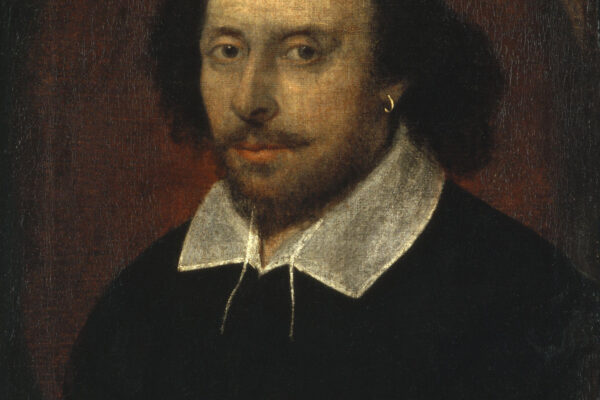
William Shakespeare: The Life, Legacy, and Literary Genius of the Bard of Avon

Introduction: The Timeless Voice of English Literature William Shakespeare, often hailed as the greatest playwright in the English language and one of the world’s most influential literary figures, has left an indelible mark on culture, language, and drama. Born in the 16th century, his works continue to captivate audiences and readers across the globe. His…
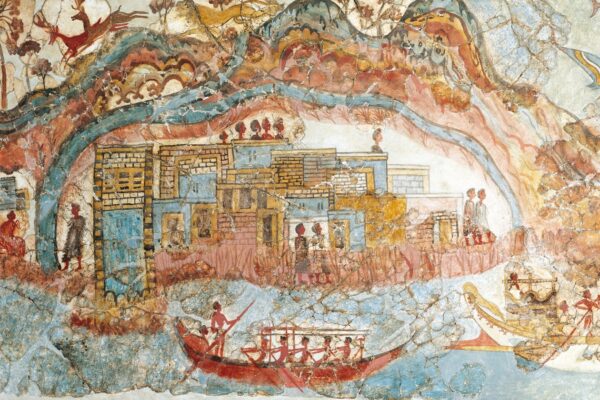
“Travel in the Ancient Greek World: Journeys Through a Civilization”

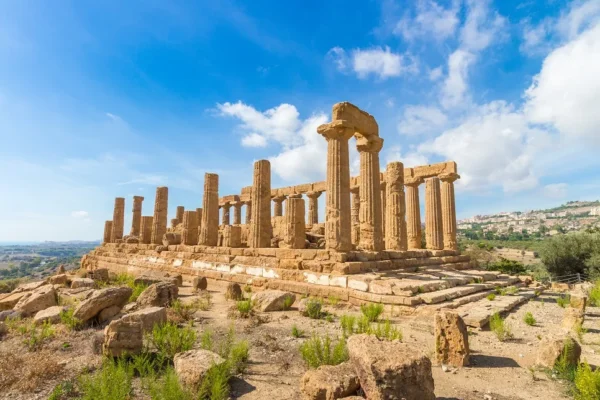
Introduction: The Nature of Travel in Ancient Greece Travel in the Ancient Greek world was a complex, multifaceted activity influenced by geography, politics, religion, commerce, and warfare. Unlike modern tourism, travel in classical Greece was often driven by practical necessities—such as trade, diplomacy, pilgrimage, colonization, and intellectual exchange. Despite technological limitations, the Greeks were surprisingly…

“Coyote Tales of the Shasta Nation: Trickster Stories and Cultural Wisdom”

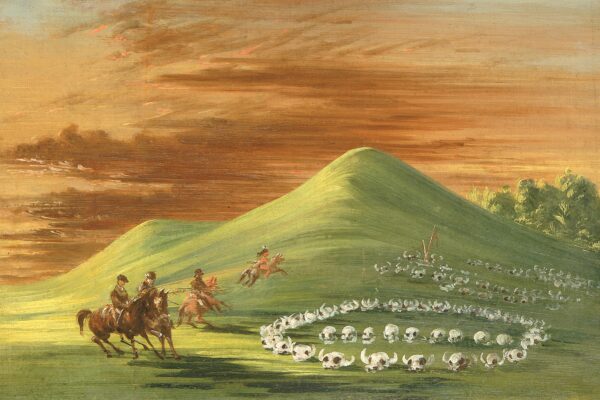
Introduction: The Role of Coyote in Shasta Tradition Among the rich storytelling traditions of the Shasta Nation, indigenous to Northern California and Southern Oregon, the figure of Coyote stands out as a central character. Often portrayed as a trickster, Coyote embodies complexity—he is cunning yet foolish, helpful yet mischievous, a creator and a destroyer. The…

“Tilled to Transformed: Agriculture in the British Industrial Revolution”

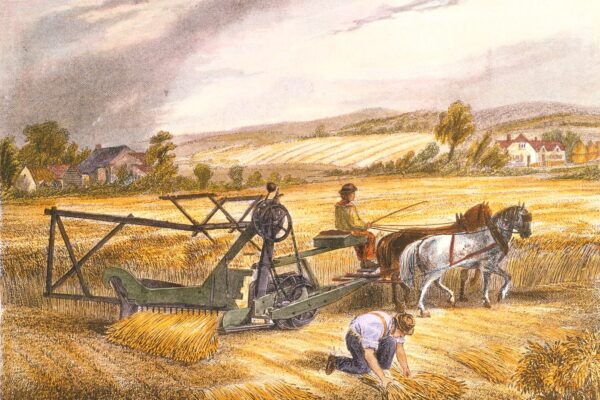
Introduction: More Than Just Factories When people think of the British Industrial Revolution, visions of smoky factories, steam engines, and crowded cities come to mind. However, the story of this transformative era is incomplete without acknowledging the quiet yet foundational revolution in agriculture that unfolded alongside the industrial one. The Agricultural Revolution in Britain provided…

The Intelligence of Earthworms: Uncovering the Surprising Minds Beneath the Soil

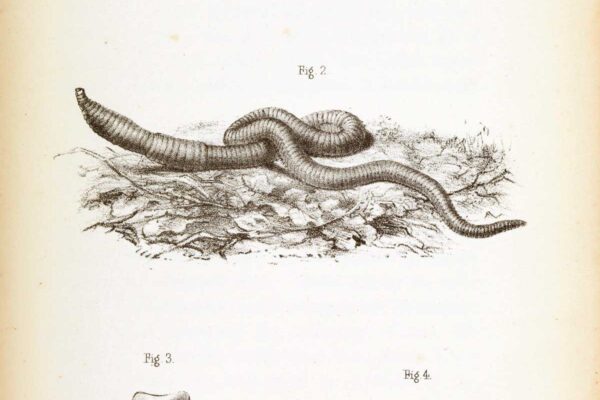
Often dismissed as simple, slimy garden dwellers, earthworms have long been overlooked in discussions of animal intelligence. Yet, beneath the soil lies a fascinating and surprisingly complex world. Scientists are beginning to uncover evidence that these invertebrates may possess a form of intelligence—not in the human sense, but in ways that challenge our assumptions about…

“Charles Darwin’s Rocks of Ages: Time, Faith, and the Foundations of Evolution”

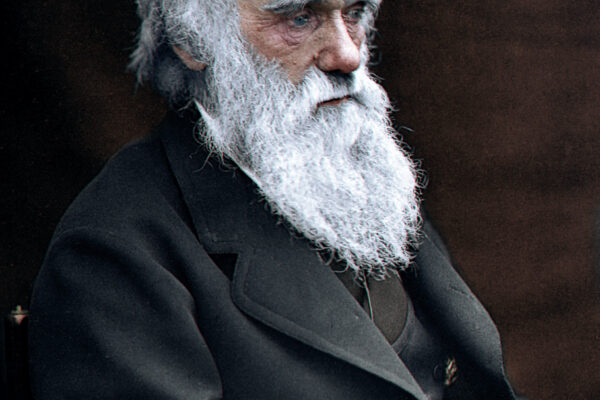
When Charles Darwin set sail aboard the HMS Beagle in 1831, he carried more than a curiosity about plants and animals—he carried the seeds of a scientific revolution. Among his most profound influences wasn’t just biology, but geology. The “rocks of ages” Darwin encountered on his five-year voyage helped him piece together the immense timescale…