

What role do animals play in keeping the environment balanced?
A:
Animals play an essential role in maintaining the balance of the ecosystem. Each animal species has a specific function that supports nature and the environment. When animals are removed from the ecosystem, it can lead to imbalances and even environmental collapse.
Key Roles Animals Play:
- Pollination
- Insects like bees, butterflies, and bats transfer pollen from one flower to another.
- This helps plants produce fruits and seeds.
- Around 75% of the world’s food crops depend on pollinators.
- Seed Dispersal
- Animals like elephants, monkeys, and birds eat fruits and spread seeds through their droppings.
- Helps in forest regeneration and plant diversity.
- Predator-Prey Balance
- Predators (lions, wolves, eagles) control populations of herbivores.
- Prevents overgrazing and protects vegetation.
- Maintains a healthy food chain.
- Pest Control
- Animals like frogs, lizards, and owls eat insects and rodents.
- Reduces crop damage and prevents disease spread.
- Decomposition and Soil Health
- Insects, worms, and fungi break down dead plants and animals.
- Recycle nutrients back into the soil.
- Improve soil fertility for farming and forests.
- Scavengers and Cleaners
- Vultures, hyenas, and jackals eat dead animals.
- Prevent the spread of disease and keep the environment clean.
- Aquatic Balance
- Fish control algae and mosquito populations.
- Marine mammals maintain ocean food chains.
- Coral reef animals protect coastal ecosystems.
Summary:
Animals are nature’s workers.
They pollinate plants, control pests, spread seeds, recycle waste, and keep populations balanced.
If one species disappears, it affects others — this is called the interdependence of life.
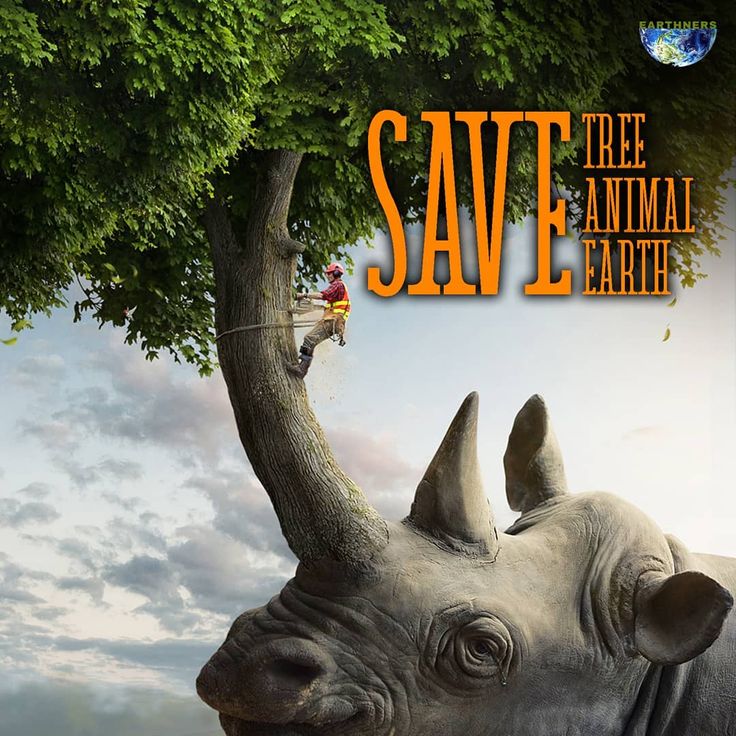
Protecting animals means protecting the entire environment, including humans.