

What is the role of national parks and wildlife reserves in protecting the environment and animals?
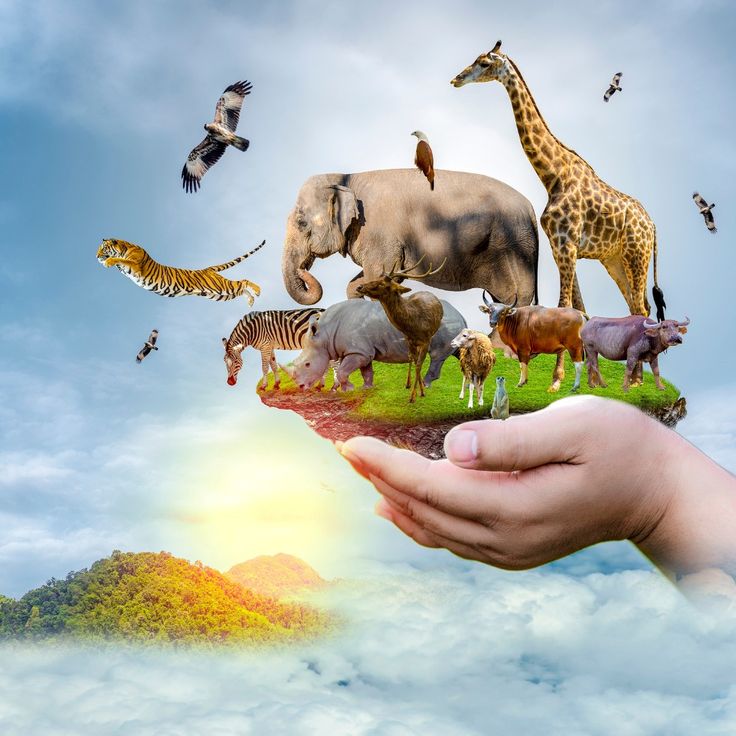
National Parks and Wildlife Reserves are protected areas managed by the government to conserve natural habitats, plant species, and wild animals. They are legally protected zones where activities like hunting, logging, and construction are restricted or banned.
🔹 Key Roles in Environmental and Animal Protection:
- Wildlife Protection
- Provide safe habitats for endangered and vulnerable species like tigers, rhinos, elephants, red pandas, etc.
- Prevent poaching and illegal hunting through strict monitoring and patrolling.
- Conservation of Forests and Ecosystems
- Preserve forests, grasslands, wetlands, and mountains — essential ecosystems that store carbon and maintain biodiversity.
- Help in climate regulation, rainfall patterns, and fresh water sources.
- Biodiversity Conservation
- Support a rich variety of plants and animals.
- Maintain the balance of nature and prevent species extinction.
- Research and Education
- Serve as learning centers for scientists, students, and conservationists.
- Promote environmental education and awareness among the public and tourists.
- Eco-tourism and Local Economy
- Attract tourists, which supports the local economy through job creation.
- Encourages sustainable development without harming nature.
- Control of Human Activities
- Limit harmful activities like deforestation, industrial pollution, and land encroachment.
- Enforce strict protection laws to maintain the natural state of the area.
Summary:
National parks and wildlife reserves play a critical role in protecting wildlife, conserving nature, and maintaining ecosystem balance.
They help prevent extinction, preserve biodiversity, fight climate change, and educate society about the value of the natural world.
By protecting nature, these areas also benefit future generations and support eco-friendly development.